Aim: Discipline; Mastery of 3 Rs; Reinforcement and Application of 3Rs; Complex Skills; Acquisition of Knowledge; Development of Personality and Values
Features:
• Technology Integration: Utilizes advanced AI tools and computerized systems to enhance the memorization process. These tools can include interactive apps, spaced repetition systems, and digital Qur’an text.
• Learning Through Listening: Incorporates audio resources and smart listening tools to help students internalize the Qur’an through repeated and focused listening.
• Adaptive Learning: AI tools adjust to the student’s pace and progress, providing personalized feedback and support.
• Understanding and Context: Emphasizes not just memorization, but also comprehension and contextual understanding of the verses. Interactive features might include explanations, translations, and historical context.
• Flexibility: Allows for learning anytime and anywhere, facilitating a more flexible and accessible approach to memorization.
• Progress Tracking: Provides detailed analytics and tracking of progress to help students and instructors monitor performance and adjust strategies as needed.
Benefits:
• Engages students with modern technology and interactive tools.
• Offers personalized learning experiences tailored to individual needs.
• Provides flexibility in learning schedules and environments.
• Enhances comprehension alongside memorization.
• Technology Integration: Utilizes advanced AI tools and computerized systems to enhance the memorization process. These tools can include interactive apps, spaced repetition systems, and digital Qur’an text.
• Learning Through Listening: Incorporates audio resources and smart listening tools to help students internalize the Qur’an through repeated and focused listening.
• Adaptive Learning: AI tools adjust to the student’s pace and progress, providing personalized feedback and support.
• Understanding and Context: Emphasizes not just memorization, but also comprehension and contextual understanding of the verses. Interactive features might include explanations, translations, and historical context.
• Flexibility: Allows for learning anytime and anywhere, facilitating a more flexible and accessible approach to memorization.
• Progress Tracking: Provides detailed analytics and tracking of progress to help students and instructors monitor performance and adjust strategies as needed.
Benefits:
• Engages students with modern technology and interactive tools.
• Offers personalized learning experiences tailored to individual needs.
• Provides flexibility in learning schedules and environments.
• Enhances comprehension alongside memorization.
Features:
• Direct Instruction: Focuses on traditional methods of Qur’an memorization, including direct recitation with an instructor or a memorization group.
• Repetition and Practice: Relies on consistent and repetitive oral recitation to commit verses to memory.
• Tajweed: Emphasizes the correct pronunciation and rules of Tajweed, ensuring accurate recitation.
• Structured Routine: Follows a structured memorization schedule with regular review sessions and oral testing.
• Personal Mentoring: Involves close interaction with a teacher or mentor for guidance and correction.
Benefits:
• Preserves traditional memorization techniques and practices.
• Provides a structured and disciplined approach to memorization.
• Encourages direct mentorship and personal interaction with instructors.
• Focuses on precise recitation and understanding of Tajweed rules.
• Direct Instruction: Focuses on traditional methods of Qur’an memorization, including direct recitation with an instructor or a memorization group.
• Repetition and Practice: Relies on consistent and repetitive oral recitation to commit verses to memory.
• Tajweed: Emphasizes the correct pronunciation and rules of Tajweed, ensuring accurate recitation.
• Structured Routine: Follows a structured memorization schedule with regular review sessions and oral testing.
• Personal Mentoring: Involves close interaction with a teacher or mentor for guidance and correction.
Benefits:
• Preserves traditional memorization techniques and practices.
• Provides a structured and disciplined approach to memorization.
• Encourages direct mentorship and personal interaction with instructors.
• Focuses on precise recitation and understanding of Tajweed rules.
1. Qaida with Tajweed
Learning Objectives:
• Foundational Knowledge: Introduce students to the basic concepts of reading the Quran.
• Arabic Alphabets: Identify and pronounce Arabic letters.
• Basic Rules: Understand and apply fundamental Tajweed rules.
• Symbols: Learn different symbols and their significance in Quranic text.
Benefits:
• Alphabet Recognition: Gain a solid understanding of Quranic Arabic alphabets.
• Pronunciation: Achieve accurate pronunciation of Quranic letters.
• Reading Skills: Read Quranic words while applying Tajweed rules.
• Sound Production: Correctly produce sounds when combining different Quranic words.
2. Nazra-e-Quran
Learning Objectives:
• Quran Recitation: Learn to read the Quran with correct pronunciation and Tajweed rules.
• Articulation Points: Comprehend the articulation points of Arabic alphabets.
• Theory and Practice: Combine theoretical knowledge with practical application for recitation.
Benefits:
• Correct Recitation: Develop skills to recite the Quran correctly.
• Memorization: Prepare for memorizing the Quran by learning proper recitation techniques.
• Teaching: Equip yourself to teach Quranic recitation to others.
3. Nazra Quran with Tajweed
Learning Objectives:
• Advanced Recitation: Build on Qaida knowledge to recite the Quran verbally using Tajweed rules.
• Fluency: Enhance recitation fluency and accuracy.
Benefits:
• Correct Recitation: Ensure accurate recitation of the Quran.
• Memorization Preparation: Be prepared to start memorizing the Quran.
• Teaching Ability: Gain skills to teach Quranic recitation to others.
Learning Objectives:
• Foundational Knowledge: Introduce students to the basic concepts of reading the Quran.
• Arabic Alphabets: Identify and pronounce Arabic letters.
• Basic Rules: Understand and apply fundamental Tajweed rules.
• Symbols: Learn different symbols and their significance in Quranic text.
Benefits:
• Alphabet Recognition: Gain a solid understanding of Quranic Arabic alphabets.
• Pronunciation: Achieve accurate pronunciation of Quranic letters.
• Reading Skills: Read Quranic words while applying Tajweed rules.
• Sound Production: Correctly produce sounds when combining different Quranic words.
2. Nazra-e-Quran
Learning Objectives:
• Quran Recitation: Learn to read the Quran with correct pronunciation and Tajweed rules.
• Articulation Points: Comprehend the articulation points of Arabic alphabets.
• Theory and Practice: Combine theoretical knowledge with practical application for recitation.
Benefits:
• Correct Recitation: Develop skills to recite the Quran correctly.
• Memorization: Prepare for memorizing the Quran by learning proper recitation techniques.
• Teaching: Equip yourself to teach Quranic recitation to others.
3. Nazra Quran with Tajweed
Learning Objectives:
• Advanced Recitation: Build on Qaida knowledge to recite the Quran verbally using Tajweed rules.
• Fluency: Enhance recitation fluency and accuracy.
Benefits:
• Correct Recitation: Ensure accurate recitation of the Quran.
• Memorization Preparation: Be prepared to start memorizing the Quran.
• Teaching Ability: Gain skills to teach Quranic recitation to others.
Gallery


Video

K12 School Help Your Child ==> Discover ==> Explore ==> Prepare
- A Bright Future for the Next Generation!
- Helping Students Navigate the School Years Successfully!
- Putting You on the Right Track, and Accelerating Your Career Success!
ENROL NOW FOR 2023 Secure Your Child’s Place at The K12 School
Social Icons
K12 Virtual Classroom

You can now learn directly from your home!
“K12 School virtual classroom is a digital learning environment that allows teachers and students to connect in online in real time.”

Online Classroom Games
“These are fun activities that teachers can play with their students over the internet. The purpose of these games is to educate and entertain students, which also helps build friendships.”
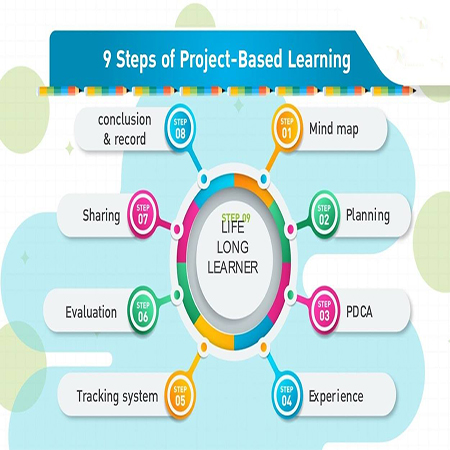
Project-Based Learning in a Virtual Classroom
“During these unprecedented times and school closures... ...how can a PBL teacher keep students connected and engaged, so a project is just as powerful as what would be expected in their face-to-face classroom?”